Specialist Engineering for
High-Risk Industrial
Sectors
Across Southern Africa
Touch Teqniques Engineering works exclusively with industrial clients in environments where the consequences of failure are serious. Our engineers have hands-on experience across refining, mining, chemical, power, and manufacturing sectors across South Africa, Botswana, Mozambique, Namibia, and Zimbabwe
Engineering Built for Industries Where Safety and Compliance Are Not Optional
Not every engineering company is equipped to work inside a refinery turnaround, commission a fire and gas system in a chemical plant, or classify hazardous areas at an underground mine. These environments demand more than general electrical or instrumentation knowledge. They require engineers who understand the specific process hazards, the applicable safety standards, the equipment certification requirements, and the operational pressures that define each industry.
The Sectors We Serve
and the Problems We Solve
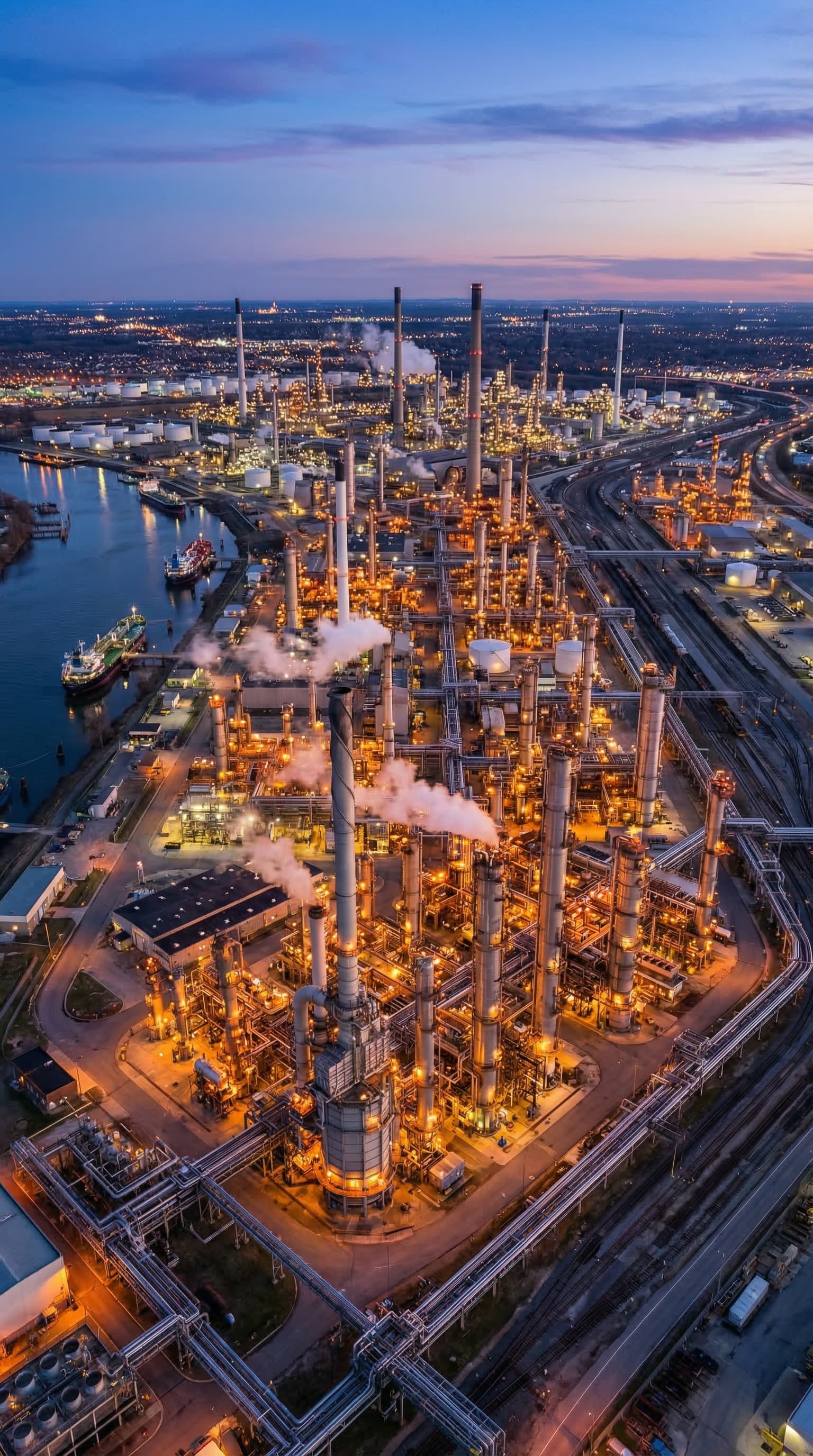
Oil and Gas Refineries
Refineries are among the most complex and hazardous industrial facilities in operation. The combination of high temperatures, high pressures, flammable hydrocarbons, toxic gases such as hydrogen sulphide, and continuous processing creates an environment where every engineering decision carries weight.
What We Deliver:
- Fire and gas detection system design, installation, commissioning, and maintenance
- Hazardous area classification (HAC) studies and equipment gap analysis
- Control and instrumentation engineering, including loop design, cause and effect development, and SIS verification
- Electrical engineering for classified and unclassified areas, including MCC design, cable engineering, and protection studies
- Turnaround and shutdown engineering support
- As-built documentation and legacy system upgrades
- Third-party compliance audits and design reviews
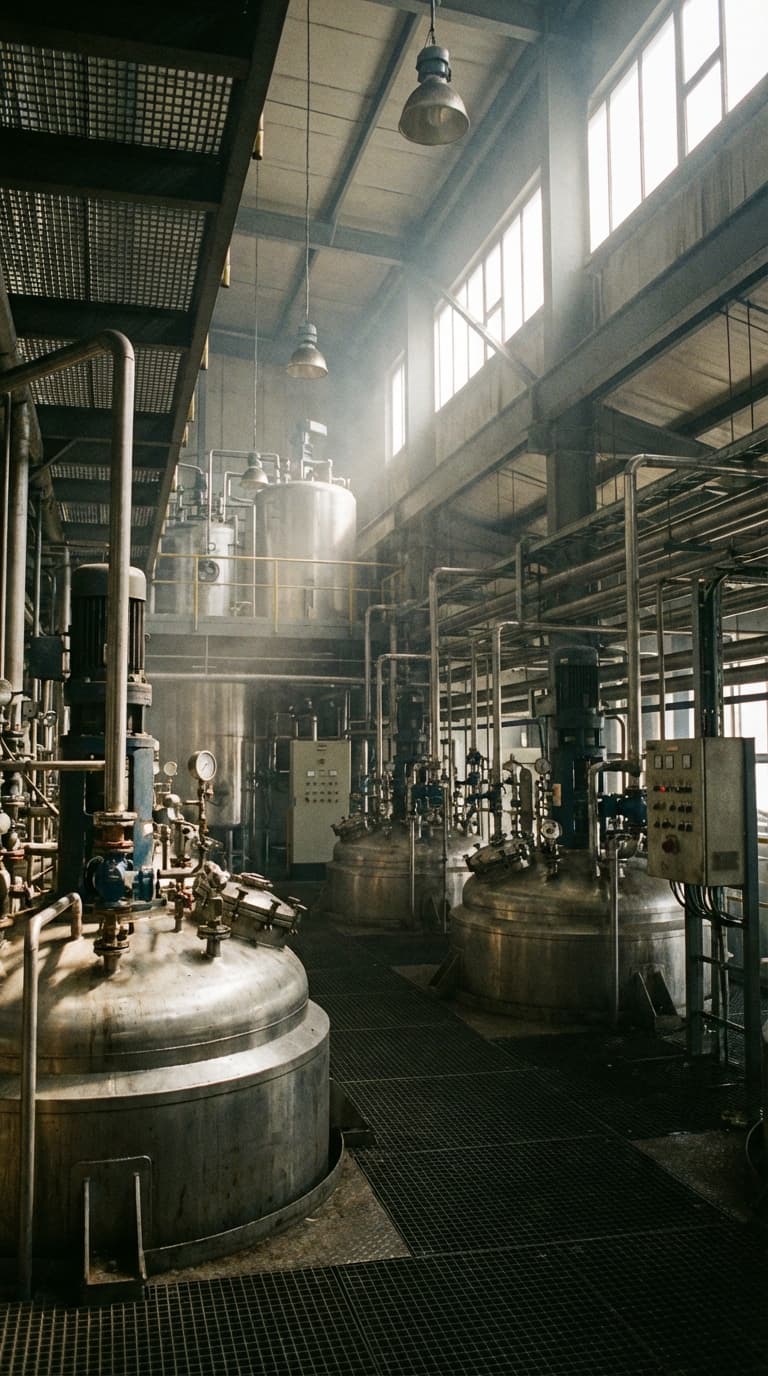
Chemical and Petrochemical Processing
Chemical and petrochemical plants handle a wide range of substances, many of which are flammable, toxic, corrosive, or reactive. The diversity of chemicals processed, often within a single facility, creates a complex hazard profile that demands precise engineering and thorough documentation.
What We Deliver:
- Fire and gas detection for flammable, toxic, and oxygen-deficient atmospheres
- Hazardous area classification studies covering both gas and dust hazards
- Control and instrumentation design for batch reactors, continuous processes, and utility systems
- Electrical design for hazardous areas, including ATEX and IECEx equipment specification
- Cause and effect matrix development for ESD and process safety systems
- Equipment gap analysis and remediation planning
- Ongoing maintenance and periodic safety system testing
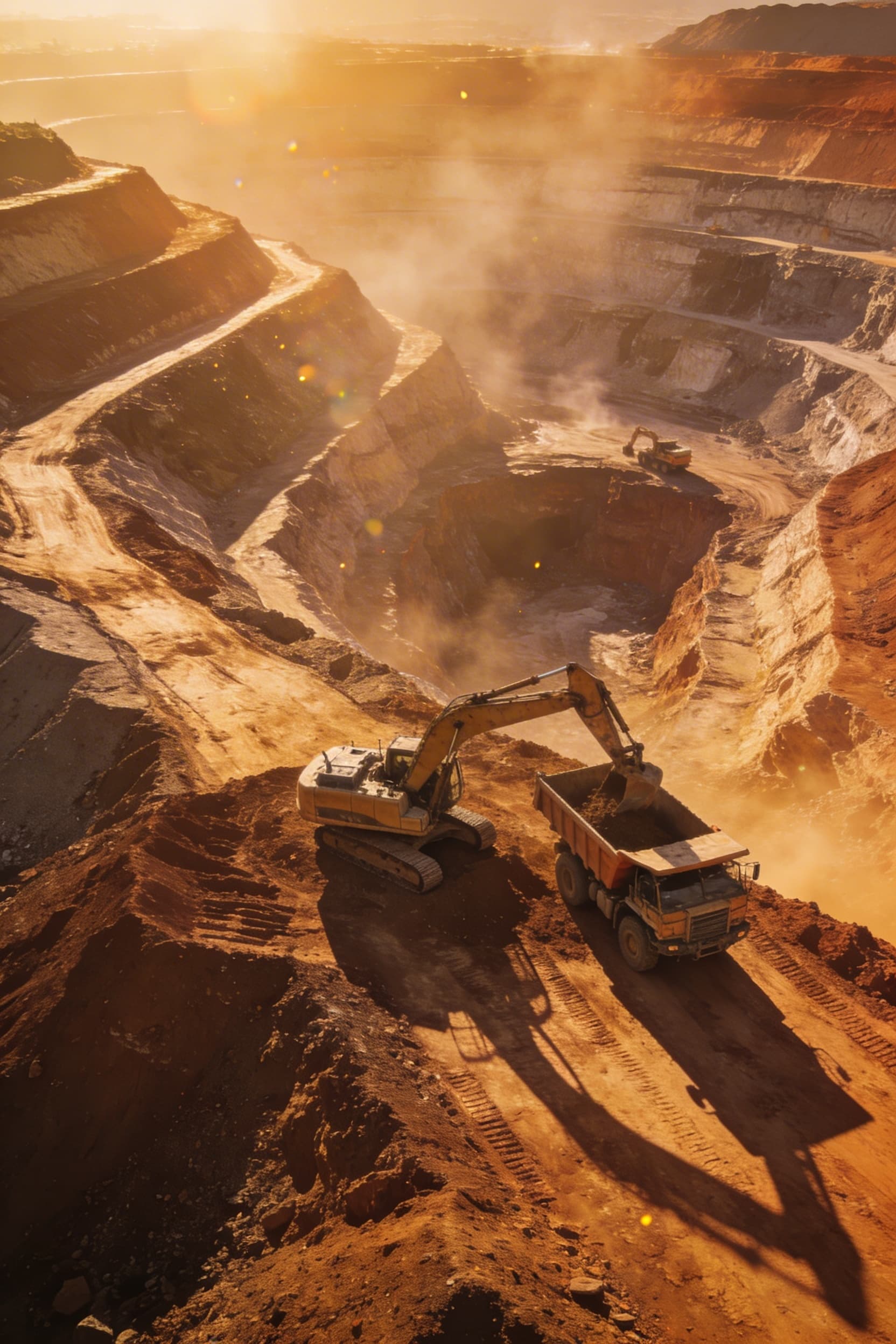
Mining and Minerals Processing
Mining operations present a unique combination of engineering challenges. Surface processing plants, underground development, conveyor systems, crushing and screening circuits, smelters, and tailings facilities each have their own hazard profiles, regulatory requirements, and operational demands.
What We Deliver:
- Fire and gas detection for surface plants and underground operations
- Methane, CO, and NO2 monitoring system design and installation
- Hazardous area classification for coal handling, mineral processing, and chemical storage areas
- Electrical engineering for processing plants, conveyor systems, and substations
- Control and instrumentation for crushing, screening, flotation, and leaching circuits
- Belt fire detection and conveyor protection systems
- Cross-border project delivery, including logistics, permits, and in-country compliance
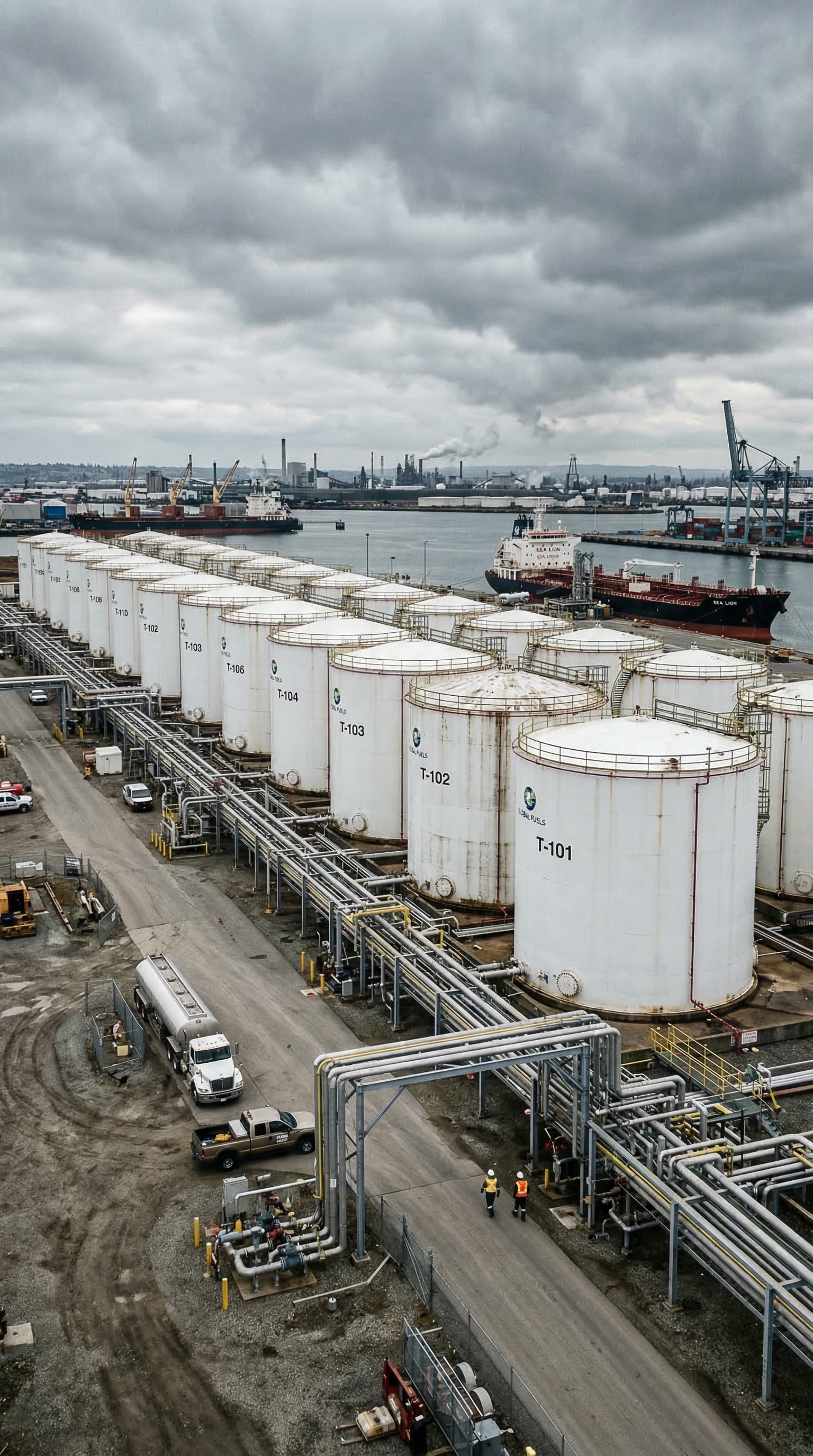
Fuel Storage and Distribution
Bulk fuel depots, tank farms, pipeline terminals, aviation fuel facilities, LPG storage and filling plants, and retail fuel distribution centres all handle large volumes of highly flammable products. The fire and explosion risk at these facilities is significant.
What We Deliver:
- Fire and gas detection system design, installation, and maintenance for tank farms and depots
- Hazardous area classification for fuel storage, dispensing, and loading facilities
- LPG facility detection and electrical design
- Aviation fuel facility fire and gas detection
- Electrical design for classified areas, including cable engineering, earthing, and lightning protection
- Tank gauging and level instrumentation
- Compliance audits and periodic system reviews
Power Generation and Utilities
Power generation plants, whether gas-fired, coal-fired, or operating on liquid fuels, contain multiple areas where flammable gases, combustible dusts, and high-energy electrical systems create significant hazards.
What We Deliver:
- Fire and gas detection for gas turbine enclosures, fuel gas systems, and hydrogen cooling areas
- Hazardous area classification for fuel handling, gas metering, and storage areas
- Combustible dust detection and classification for coal handling and milling facilities
- Electrical engineering for balance-of-plant systems, including MCC design, cable engineering, and protection coordination
- Control and instrumentation for boiler systems, turbine auxiliaries, and water treatment plants
- Integration with existing SCADA and DCS platforms
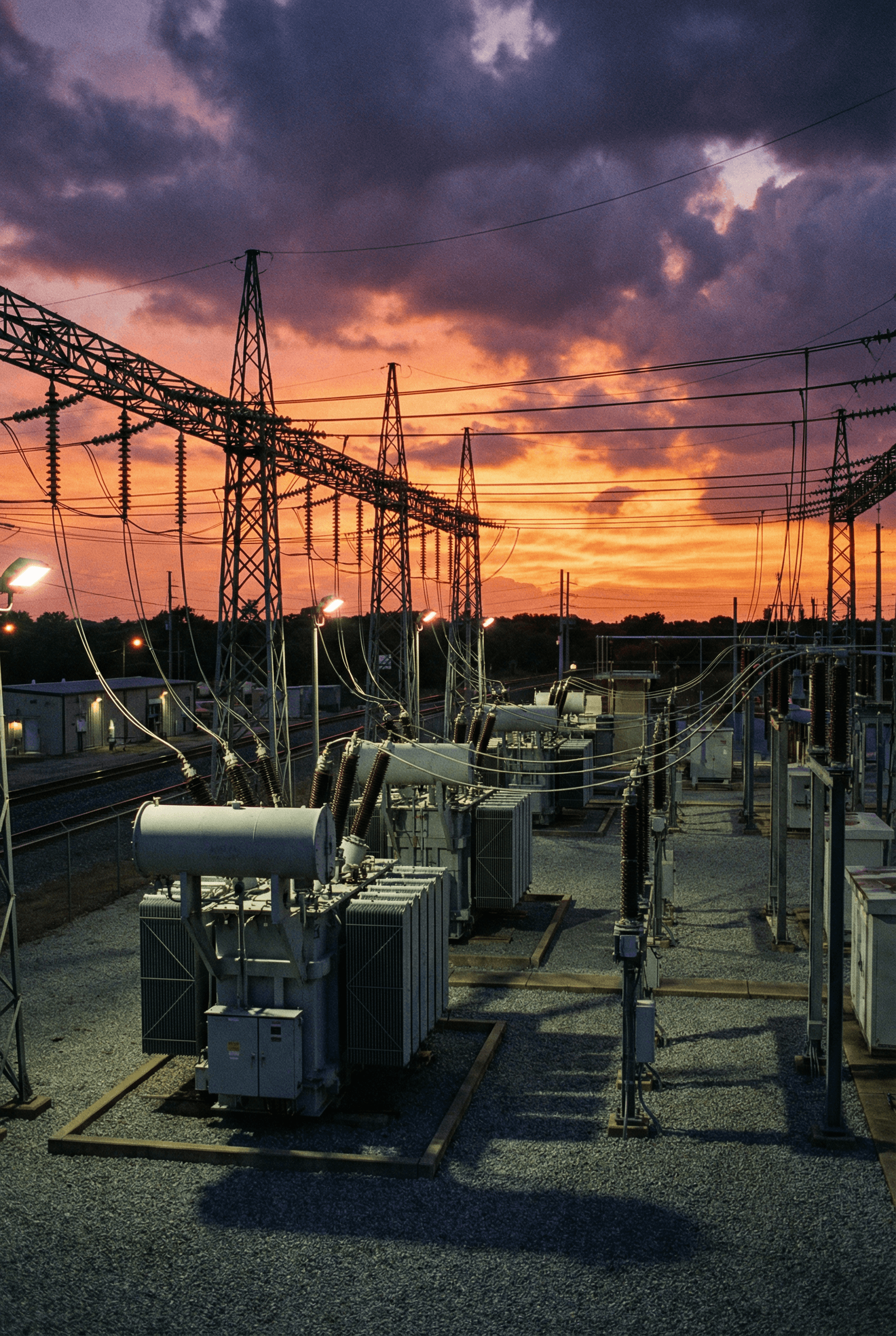
Manufacturing and Heavy Industry
Large-scale manufacturing facilities, including steel mills, aluminium smelters, cement plants, glass production, automotive manufacturing, and general heavy industry, rely on robust electrical infrastructure and properly maintained safety systems.
What We Deliver:
- Electrical distribution design, installation, and maintenance
- Control and instrumentation for production lines, furnaces, kilns, and utility systems
- Fire and gas detection for areas with flammable gas or combustible dust risks
- Hazardous area classification for gas supply areas, paint shops, solvent storage, and dust-generating processes
- Motor control centre (MCC) design and specification
- Legacy system upgrades and documentation recovery
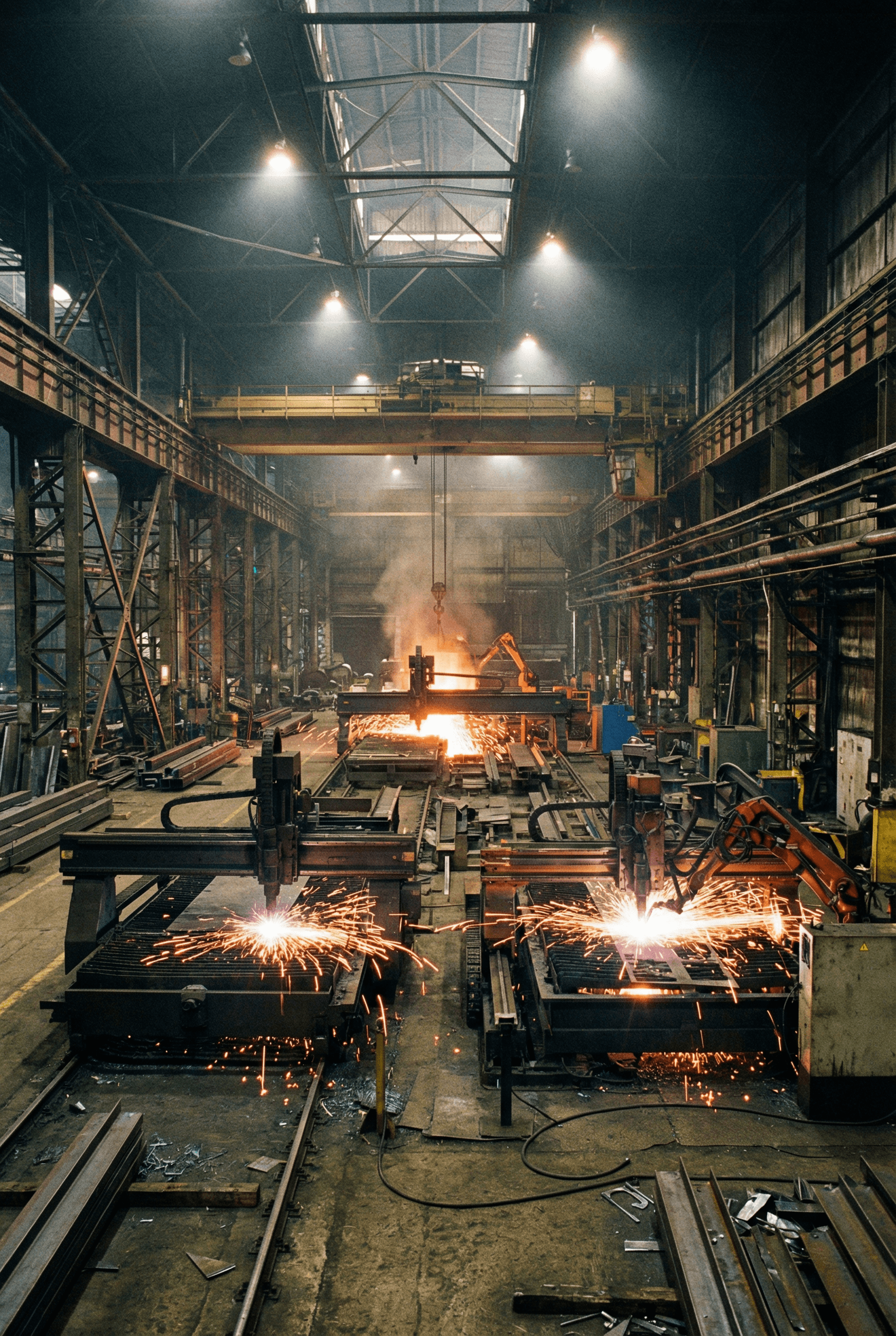
Pharmaceutical Manufacturing
Pharmaceutical manufacturing facilities operate under strict regulatory control, and the engineering systems within them must meet both safety and quality standards. Many processes involve flammable solvents and combustible dusts.
What We Deliver:
- Hazardous area classification for solvent handling, milling, and powder processing areas
- Fire and gas detection for flammable solvent vapours and combustible pharmaceutical dusts
- Electrical design for classified and clean environments
- Equipment specification for Ex-rated instruments and devices in pharmaceutical settings
- Control and instrumentation for process monitoring and batch control
- Compliance documentation and audit support
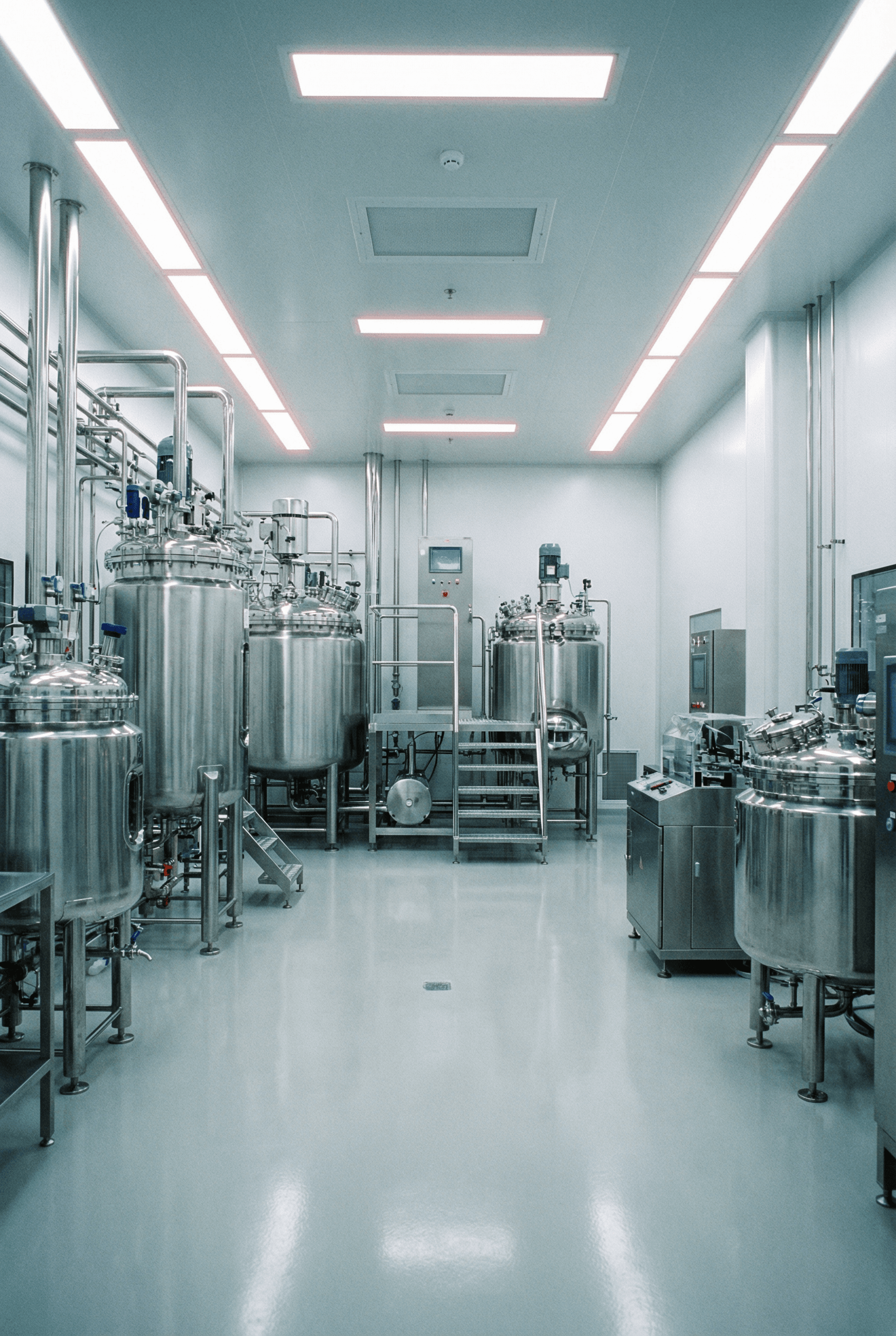
Food and Beverage Processing
Food and beverage processing facilities are not always recognised as hazardous environments, but many contain serious explosion risks. Grain silos, flour mills, sugar refineries, and breweries all generate combustible dusts or flammable vapours.
What We Deliver:
- Hazardous area classification for combustible dust environments
- Fire and gas detection for dust explosion risk areas and flammable vapour zones
- Spark detection and suppression system integration for conveyor and duct systems
- Electrical design for classified areas within processing and storage facilities
- Ammonia detection for cold storage and refrigeration plant rooms
- Compliance audits and documentation for insurers and regulators
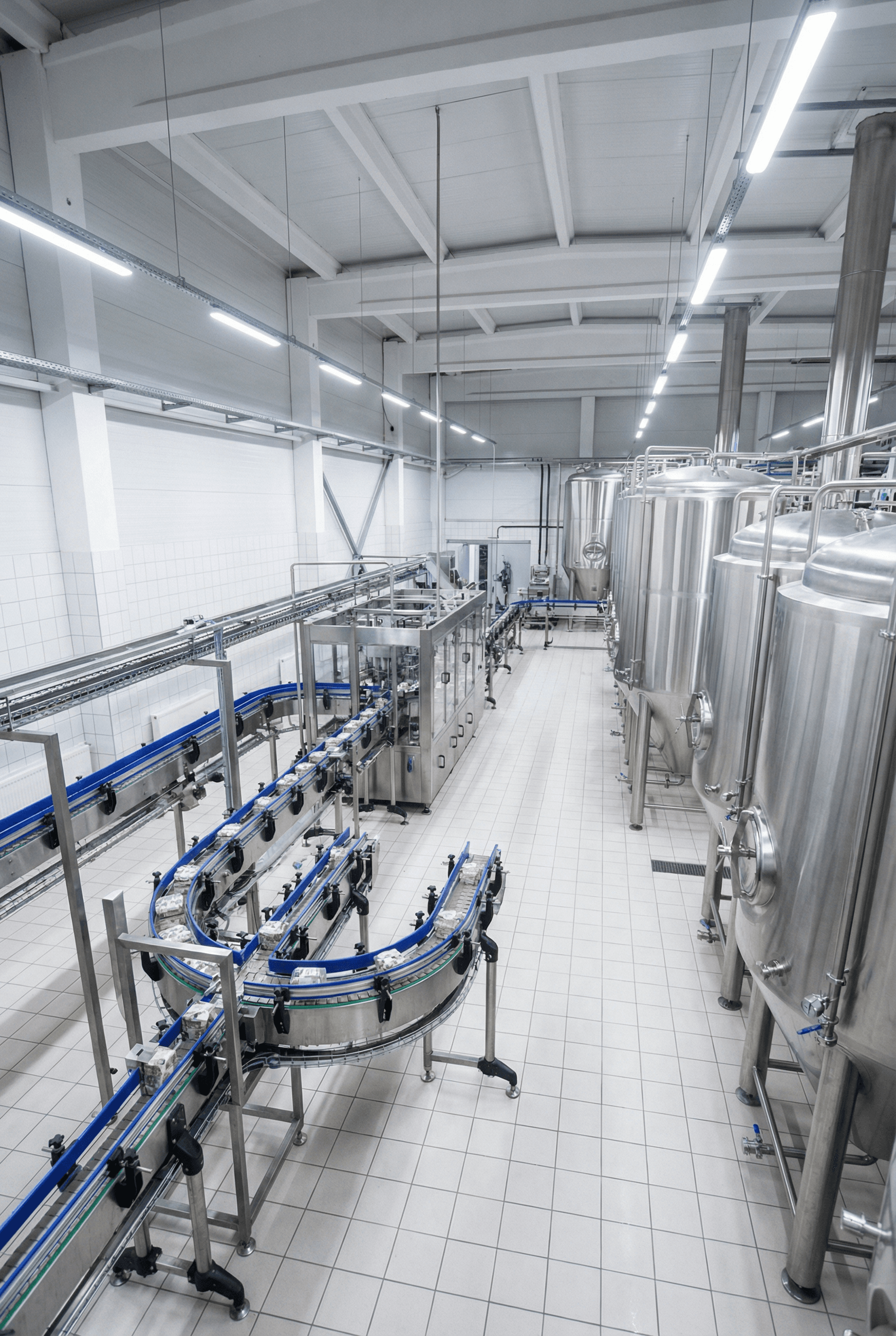
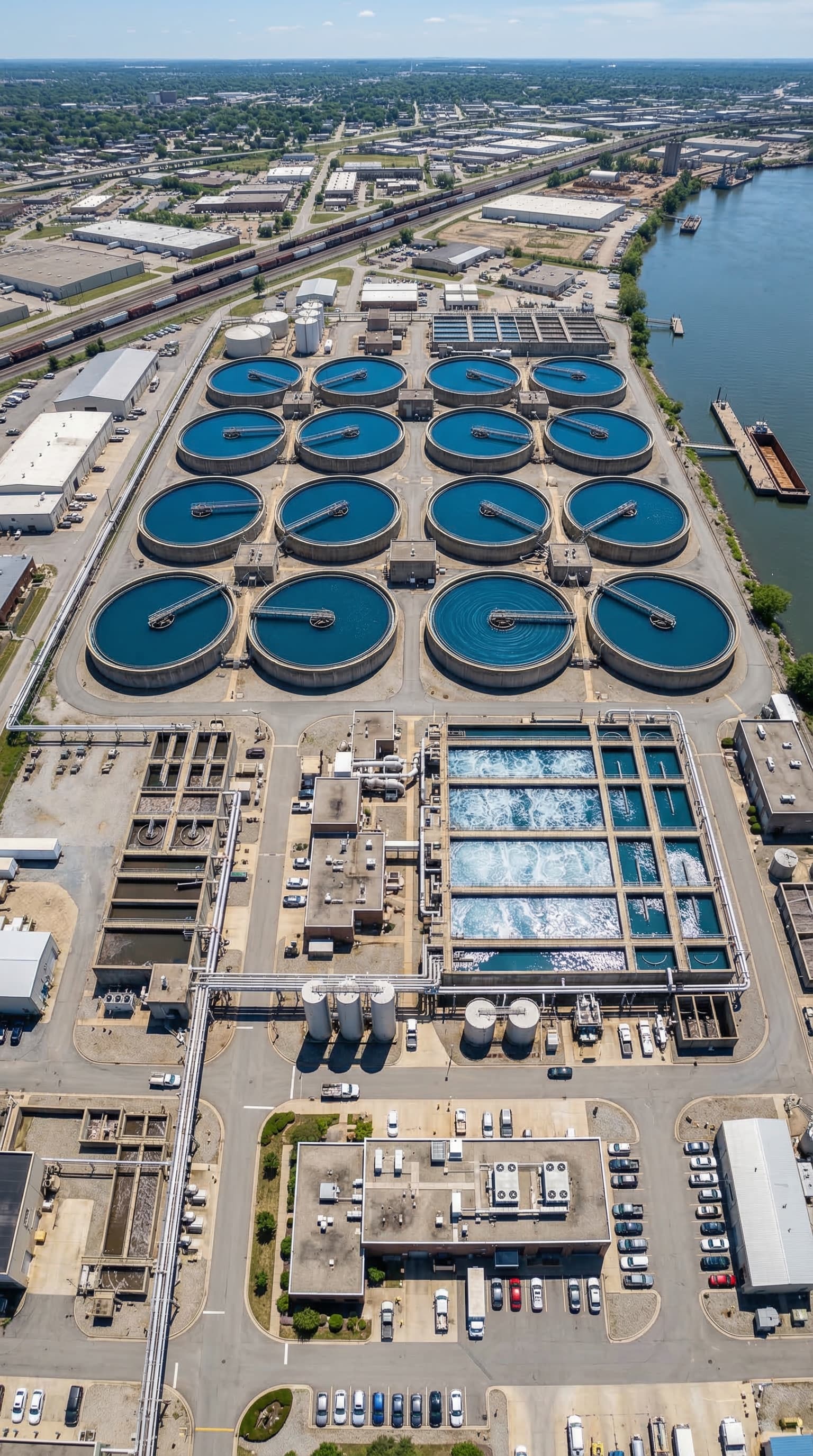
Water and Wastewater Treatment
Water and wastewater treatment facilities are essential infrastructure with hazards that are not immediately obvious. Anaerobic digestion produces methane, chlorine dosing introduces toxic gas risks, and chemical storage areas present additional hazards.
What We Deliver:
- Methane and biogas detection for digester and sludge handling areas
- Chlorine and toxic gas detection for dosing rooms and chemical storage
- Hazardous area classification for biogas generation, storage, and flare systems
- Control and instrumentation for treatment processes and pump stations
- Electrical design for pump stations, chemical dosing facilities, and control rooms
- SCADA integration and remote monitoring system design
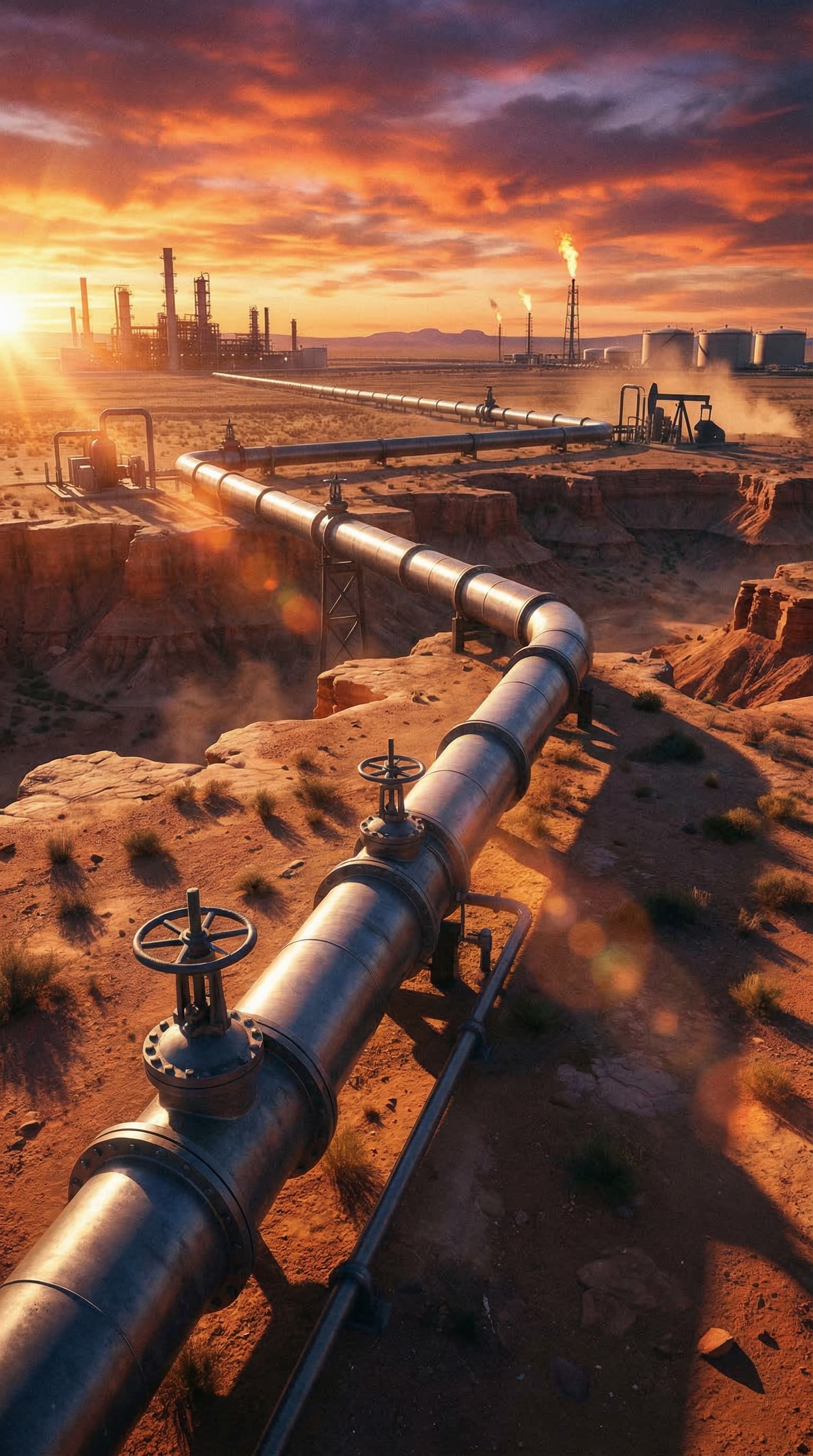
Oil and Gas Production and Pipeline Infrastructure
Upstream oil and gas production facilities, pipeline networks, compressor stations, metering stations, and gas processing plants operate in environments where flammable and toxic gases are present as a fundamental part of the process.
What We Deliver:
- Fire and gas detection for wellheads, process facilities, compressor stations, and pipeline infrastructure
- Hazardous area classification for production, processing, and metering facilities
- Control and instrumentation for process monitoring, safety shutdown, and SCADA integration
- Electrical design for remote and hazardous area installations
- Telemetry and remote monitoring system architecture
- Custody transfer metering instrumentation
Engineering Teams That Mobilise to Where Your Facility Is
A significant proportion of Southern Africa's industrial infrastructure is located outside major metropolitan areas. We mobilise our engineering teams to client sites across the region, managing logistics, travel, work permits, and in-country regulatory compliance as a standard part of our project delivery.
South Africa
Secunda, Sasolburg, Richards Bay, Durban, Witwatersrand, Mpumalanga, Limpopo, Western Cape
Mozambique
Maputo, Matola, Gas processing and LNG infrastructure
Botswana
Selebi-Phikwe, Francistown, Jwaneng, Greater Gaborone
Namibia
Erongo, Otjozondjupa, Windhoek, Walvis Bay
Zimbabwe
Harare, Bulawayo, and surrounding industrial areas
Problems We See Across Industries
Outdated or Missing Hazardous Area Classification
Many facilities were built decades ago and have undergone multiple modifications without the hazardous area classification being updated. We carry out new classification studies and review existing ones to bring them into alignment with current standards.
Fire and Gas Detection Systems That Have Not Kept Pace With Plant Changes
Detection systems designed for the original plant layout may no longer provide adequate coverage after expansions. We assess existing detection coverage, identify gaps, and design additional detection to restore required protection.
Incomplete or Inaccurate Plant Documentation
P&IDs that do not match what is installed. Loop drawings that were never updated. We recover, verify, and update plant documentation through site walkdowns and systematic record correction.
Equipment Gaps in Classified Hazardous Areas
Equipment that does not carry the correct explosion protection rating can become an ignition source. We conduct equipment gap analyses and provide prioritised remediation plans.
Aging Systems Approaching End of Life
Safety-critical systems have finite service lives. We help clients plan and execute system upgrades with minimal disruption to operations.
Pressure to Demonstrate Compliance to Multiple Stakeholders
We produce engineering documentation and compliance records that satisfy plant managers, HSE teams, insurers, regulators, and corporate governance bodies simultaneously.
An Engineering Partner
Built for Industrial Environments
Exclusive Industrial Focus
Our focus is industrial work. Every engineer on our team works in high-risk industrial environments every day.
We Cover the Full Technical Scope
Fire and gas detection, control and instrumentation, electrical engineering, hazardous area classification, design, installation, commissioning, and maintenance under one roof.
Documentation Is Built In, Not Bolted On
Our engineering process keeps deliverables aligned with applicable standards, regulations, and client specifications from the start.
We Understand Your Procurement and Safety Requirements
We know what your procurement team needs in a tender submission, what your HSE department expects in a safety file, and what your operations manager requires in a handover package.
Engineers Who Take Ownership
Every project is led by a qualified engineer who is personally accountable. You always know who is responsible and have direct access to that person.
Proven Cross-Border Delivery
We have a track record of delivering projects outside South Africa, managing logistics, permits, and regulatory requirements seamlessly.
Questions We Hear From Clients
Operating in One of
These Industries?
Whatever your sector, if your facility involves hazardous areas, fire and gas detection, electrical systems, or control and instrumentation, we are equipped to support you.