Front-End and
Detailed Engineering
for Industrial Facilities
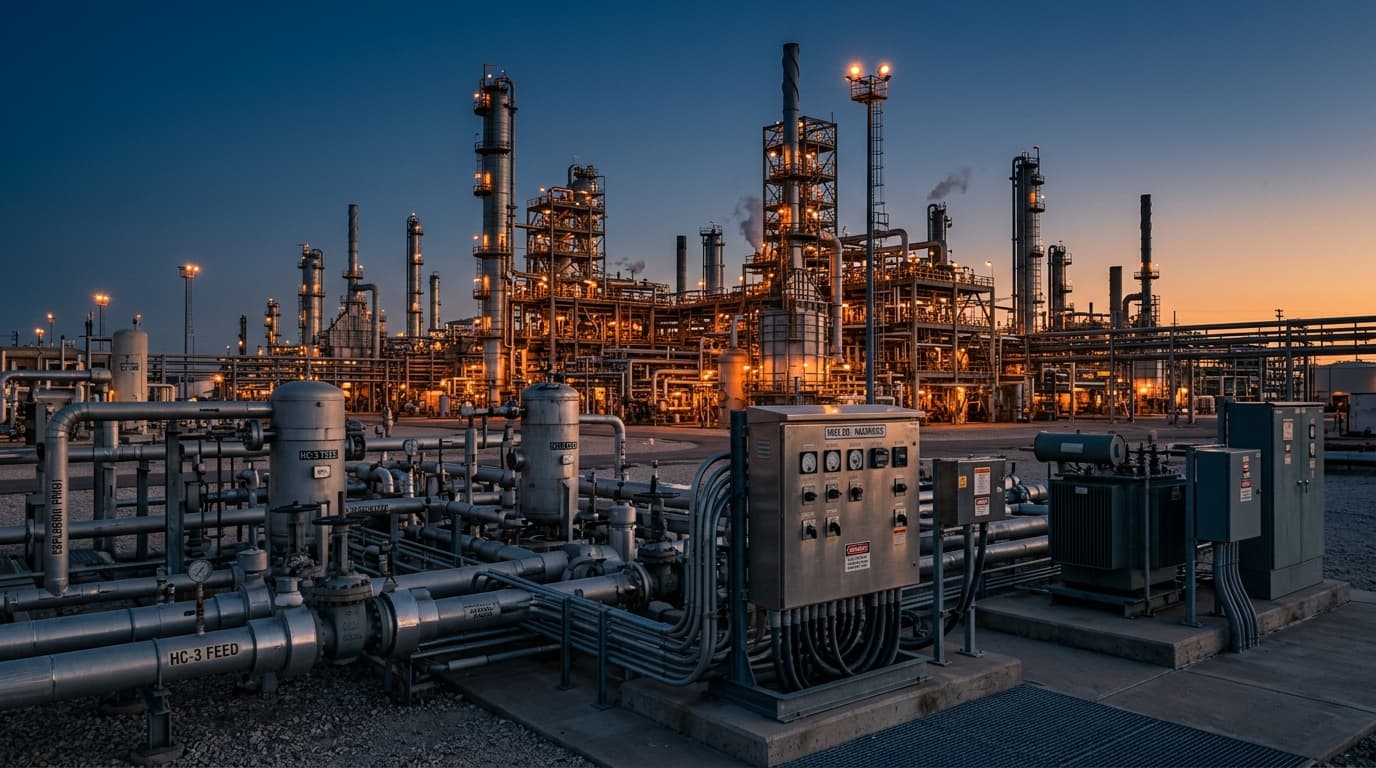
Touch Teqniques Engineering provides the technical foundation that industrial projects depend on. We design fire and gas detection, control and instrumentation, and electrical installations from first principles.
Engineering That Moves From
Concept to Construction
The quality of your engineering determines the quality of your installation. A project with incomplete drawings, ambiguous specifications, or poorly defined safety logic will generate problems at every stage, from procurement through to commissioning and handover.
At Touch Teqniques Engineering, we work at the front end of the project lifecycle, where the decisions that shape everything downstream are made. We take your operational requirements, your process hazards, your regulatory obligations, and your site-specific constraints, and we translate them into a complete engineering design that your construction team can execute with confidence.
Our approach is grounded in practical experience. Because we also deliver installation and commissioning services, our engineers understand what happens when a design meets the reality of a working plant. We know which cable routing arrangements cause access problems during construction. We know which junction box layouts make termination difficult in confined spaces.
Full-Scope Engineering from Early Concept Through to As-Built Records
Front-End Engineering Design (FEED)
We help define the technical direction of your project before you commit to construction. This includes developing system architectures, preliminary single-line diagrams, equipment sizing, detection philosophy documents, and cost estimates.
Detailed Engineering Design
We produce the complete technical packages required to build your systems. This includes cable schedules, loop diagrams, wiring diagrams, termination details, cause and effect matrices, equipment specifications, data sheets, and layout drawings.
P&ID Development and Verification
We develop, review, and update P&IDs that accurately represent your process and instrumentation configuration. For existing facilities, we conduct site verification walkdowns to ensure your P&IDs reflect the actual installed condition.
Cause and Effect Matrix Development
For safety-critical systems, we develop detailed cause and effect matrices that define exactly how the system must respond to each input. Every alarm, trip, and output action is mapped, cross-referenced, and validated.
Fire and Gas Detection System Design
We engineer the complete detection layout for fire and gas systems, including the selection and placement of gas detectors, flame detectors, heat detectors, smoke detectors, and manual call points based on gas dispersion analysis.
Protection and Safety Studies
We perform the engineering calculations that underpin safe system design, including electrical protection coordination studies, fault level calculations, discrimination studies, cable sizing verification, and voltage drop analysis.
Drafting and CAD Services
Our drafting capability supports the production of clear, accurate technical drawings, including 2D layouts, single-line diagrams, P&IDs, and equipment location plans.
Reverse Engineering and Legacy Plant Documentation
We help clients regain control of undocumented systems by tracing existing installations from the field device to the control system, identifying every component, and producing updated drawings and schedules.
As-Built Documentation
We update all project drawings and documents to reflect the final installed condition on site. Accurate as-built records are a fundamental requirement for ongoing maintenance and compliance audits.
Bill of Materials and Procurement Support
We produce detailed bills of materials derived directly from the engineering design, ensuring that every item ordered has a clear link to a drawing, a specification, and a location on the plant.
Independent Design Review
We perform independent technical reviews of engineering packages produced by EPC contractors, system integrators, or other consultancies. Our reviews assess compliance with applicable standards, technical accuracy, constructability, and alignment with the project's safety objectives.
Integrated Design Across Three Core Technical Disciplines
Fire and Gas Detection System Design
Detection philosophy development, detector selection and placement, coverage mapping and gas dispersion analysis, cause and effect matrix development, alarm management, and integration with plant safety systems.
Control and Instrumentation (C&I) Engineering
Instrument selection and specification, loop design, wiring and termination engineering, control narrative development, safety instrumented system (SIS) design, SIL verification, and marshalling design.
Industrial Electrical Engineering
Power distribution design, single-line diagrams, cable sizing and route engineering, protection coordination, earthing and lightning protection, hazardous area electrical design, and MCC specification.
A Structured Methodology from Requirements Through to Construction Issue
Requirements Capture and Basis of Design
We establish what the system needs to achieve by reviewing project scope, safety studies (HAZOP, SIL), regulatory requirements, and client engineering standards.
Concept and System Architecture
We develop the system concept, including block diagrams, preliminary single-line diagrams, detection philosophy, and overall system architecture.
Detail Engineering
This is where the concept is developed into the full construction documentation: P&IDs, loop drawings, cable schedules, termination diagrams, and specifications.
Interdisciplinary Coordination
We coordinate our deliverables with other engineering disciplines (process, mechanical, civil, structural) to identify clashes and interface gaps.
Issue for Construction and Ongoing Support
We issue the final design package and remain available throughout construction and commissioning to respond to technical queries and review vendor submissions.
The Real Cost of
Poor Front-End Engineering
Rework During Construction
Equipment arrives on site and does not fit. Cables are routed to the wrong junction boxes. The installation team stops, costs climb, and schedules slip. Every day of waiting multiplies the cost.
Commissioning Delays
Logic errors in the cause and effect matrix, missing interlocks, and undocumented field modifications all surface during testing, turning commissioning into a troubleshooting exercise.
Compliance Exposure
Without a properly documented design basis, it is difficult to demonstrate to a regulator or insurer that your installation was engineered to the required standards.
Maintenance Burden
A poorly documented installation creates an ongoing problem. Without accurate loop drawings and as-built records, every fault-finding exercise takes longer than it should.
"The investment required to engineer a project properly at the front end is a fraction of the cost of fixing problems during construction."
Engineering Design for High-Risk, High-Consequence Environments
Recovering, Updating, and Completing Documentation
Plants built decades ago may have undergone multiple modifications without documentation keeping pace. We address this systematically by conducting site walkdowns and tracing every circuit to produce accurate records.
Engineers Who Design
What They Know
How to Build
Designs Shaped by Field Experience
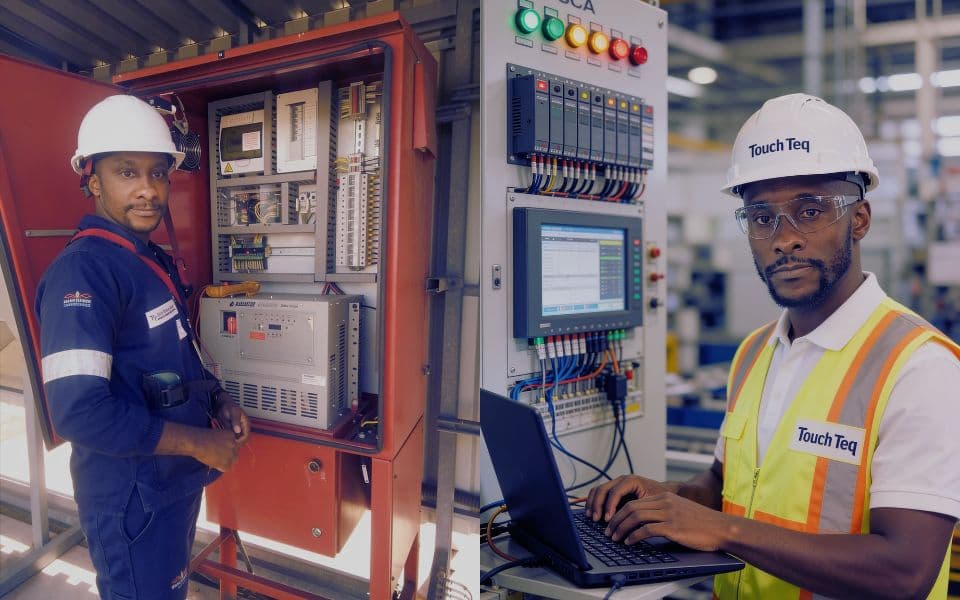
Our engineers have direct exposure to installation, commissioning, and maintenance. They know which decisions cause problems during construction and which layouts make maintenance difficult.
All Three Disciplines Under One Roof
We handle electrical, C&I, and fire and gas design within a single team, eliminating interface problems that occur when separate consultancies work on different pieces of the same project.
Direct Technical Accountability
The engineer who produces a design owns it through to commissioning. When we sign off on a design, we carry responsibility for its technical content and its compliance with the applicable standards.
Documentation That Stands Up to Scrutiny
We structure our packages to meet the expectations of regulatory inspectors, insurance auditors, and client review panels. Our documentation answers questions, not creates them.
Direct Access to the Engineer
You speak directly to the engineer responsible for the deliverables. No layers of project coordinators filtering your technical discussions or design decisions.
Deliverables Designed for the Full Asset Lifecycle
Our documents are structured to support not just construction, but also day-to-day operations, planned maintenance, future modifications, and eventual decommissioning.
Practical Questions About Our
Design and Engineering Services

Start Your Project With the Right Engineering
Whether you are planning a new facility, expanding existing operations, or bringing your plant documentation up to standard, our team is ready to help.